Tagine, Tanjia, Pastilla: The Guide to Marrakchi Cuisine begins with a simple truth: in Marrakech, food is never just food. It is hospitality, memory, patience, spice, and celebration served at the same table. From the slow perfume of saffron and preserved lemon to the crisp sweetness of pastry dusted with cinnamon, Marrakchi cuisine reflects centuries of Berber, Arab, Andalusian, and Saharan influence.
Tagine, Tanjia, Pastilla: The Guide to Marrakchi Cuisine
To explore traditional Marrakech cuisine is to understand how everyday ingredients become rituals. These dishes are not only famous because they taste exceptional; they matter because of the way they are prepared, shared, and remembered. Each one carries a different rhythm: the family meal, the market lunch, the festive banquet.
Understanding Marrakchi Cuisine: An Overview
The Cultural Significance of Food in Marrakech
Marrakech has long stood at a crossroads of trade routes, welcoming spices, techniques, and tastes from across Morocco and beyond. Food here is closely tied to generosity. Guests are welcomed with mint tea, bread is shared by hand, and meals often arrive in the center of the table rather than on individual plates. What makes Marrakchi cuisine unique is this mix of bold seasoning, slow cooking, and social meaning.
In homes, riads, and lively neighborhood eateries, meals are a way to honor time. Recipes are often passed down through families, yet every cook has a personal touch. A pinch more cumin, a different olive, or a longer simmer can define a household’s signature flavor.
Key Ingredients in Marrakchi Dishes
The soul of Marrakchi cooking lies in balance. Sweet and savory, tender and crisp, earthy and fragrant often meet in the same dish. Spices are important, but they are rarely used to overwhelm. Instead, they build layers of warmth.
- Ras el hanout: a complex spice blend that may include cinnamon, ginger, turmeric, nutmeg, and cardamom.
- Preserved lemons: bright, salty, and aromatic, often used with poultry and olives.
- Olives: green, purple, or black, adding depth and a briny finish.
- Saffron and turmeric: prized for color, fragrance, and subtle warmth.
- Almonds, honey, and cinnamon: essential to the sweet-savory identity of many festive dishes.
The Art of Tagine: A Culinary Staple
Origins and History of Tagine
Tagine is both a dish and the vessel used to cook it. The conical clay pot is recognized worldwide for its unique cooking method: steam rises, condenses, and returns to the ingredients, keeping meat and vegetables moist over gentle heat. This practical design is rooted in North African cooking traditions, where slow preparation helped transform humble ingredients into deeply flavored meals.
In Marrakech, tagine can be a comforting weekday dish or a refined restaurant specialty. It might feature chicken with preserved lemon and olives, lamb with prunes and almonds, or vegetables simmered with spices until tender. The shared presentation makes it especially inviting, with bread used to gather sauce from the base of the pot.
Traditional Ingredients Used in Tagine
A classic Marrakchi tagine often starts with onions, garlic, olive oil, and spices. Meat or vegetables are layered carefully, then cooked slowly until the sauce becomes rich and concentrated. Chicken pairs beautifully with lemon and olives, while lamb is often matched with dried fruit, sesame seeds, and toasted nuts.
The key is patience. A tagine should not taste rushed. Its appeal comes from gradual cooking, when spice, fat, steam, and time work together. This is why it remains one of Morocco’s most beloved culinary symbols.
Tanjia: The Marrakech Meat Delight
Tanjia is perhaps the most specifically Marrakchi of all iconic local dishes. Traditionally associated with artisans and workers of the medina, it is named after the tall clay urn in which it is cooked. The preparation is simple but powerful: meat, usually lamb or beef, is seasoned with preserved lemon, garlic, cumin, saffron, and smen, a fermented butter with a distinctive aroma.
How is Tanjia traditionally prepared? The sealed clay pot is taken to a communal oven, often near a hammam, where it slow-cooks for hours in the gentle heat of the ashes. This traditional method gives the meat extraordinary tenderness and a concentrated, savory sauce. Unlike tagine, tanjia is less about layered vegetables and more about the deep flavor of slow-cooked meat.
Eating tanjia in Marrakech connects visitors to the city’s communal traditions. It is a dish of patience, neighborhood life, and shared ovens, offering a taste that feels both rustic and deeply ceremonial.
Pastilla: A Sweet and Savory Pastry Experience
Pastilla, also spelled bastilla, is a festive pastry that perfectly expresses Morocco’s love of contrast. Why is Pastilla both sweet and savory? Because it brings together spiced meat, often pigeon in traditional versions, with almond, cinnamon, and delicate pastry. The filling is rich and fragrant, while the exterior is crisp, light, and dusted with powdered sugar.
Historically served for celebrations, weddings, and important gatherings, pastilla shows the refined side of Moroccan cooking. The classic version combines shredded pigeon meat, eggs, almonds, cinnamon, and warqa pastry, a paper-thin dough similar to brick pastry. Today, chicken is also common, and seafood versions appear on many menus, but the sweet-savory signature remains essential.
The first bite can surprise travelers: crisp pastry gives way to warm spices, tender filling, and a gentle sweetness. That contrast is exactly the point. Pastilla is not a dessert, nor is it only a meat pie. It is a ceremonial dish designed to delight the senses and start conversation.
Together, these dishes reveal the character of Marrakech: generous, layered, aromatic, and rooted in tradition. Whether enjoyed in a family home, a medina restaurant, or during a special trip, Marrakchi cuisine offers more than a meal. It offers a way to understand the city through taste, time, and hospitality.
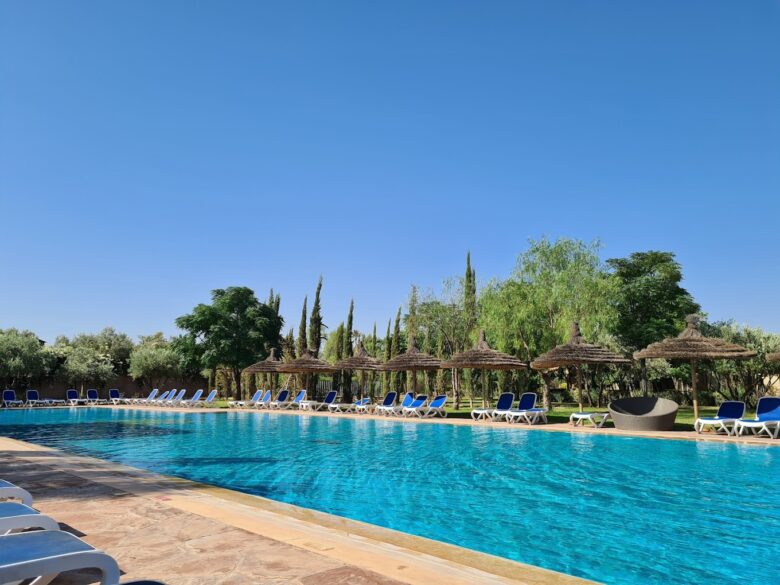
Ready to experience an all-inclusive resort at the gates of Marrakech? Book now on Valeria Dar Atlas Club Resort all-inclusive and enjoy a stay that combines authenticity, comfort and relaxation.